Understanding Skin Health After 40 (2026 Edition)
Key Takeaways
- ✓ Your skin's cellular turnover slows 20-30% after 40, requiring gentle exfoliation and retinoids to maintain visible smoothness and radiance.
- ✓ Collagen loss accelerates after 40 due to declining fibroblast function and increased matrix metalloproteinase activity—prevention through sun protection matters more than reversal attempts.
- ✓ Daily SPF 30+ use is the single most evidence-backed anti-aging intervention, preventing 80-90% of visible photoaging that compounds natural aging.
- ✓ Hyaluronic acid and ceramide production decline after 40, making hydrating and occlusive skincare components non-negotiable for barrier function.
- ✓ Polyphenol-rich foods support skin through gut microbiota metabolism into bioavailable compounds that reduce inflammation and support barrier repair.
- ✓ Chronic sleep deprivation increases cortisol, reduces ceramide levels, and impairs your skin's nocturnal repair processes—sleep affects aging as much as topical treatments do.
Cellular Turnover Slowdown: Why Skin Renewal Decreases After 40
After 40, your skin's cellular turnover rate drops approximately 20-30%, meaning dead skin cells stick around longer and new cells form more slowly. This section explains the role of keratinocytes, the fibroblast decline that accelerates collagen and elastin breakdown, and how reduced growth factor signaling contributes to visible dullness and texture changes. We'll reference the Journal of Investigative Dermatology (2023) study on age-related epidermal thinning and discuss why this process is accelerated in sun-exposed areas. Understanding this mechanism helps explain why exfoliation strategies and retinoid use become more valuable after 40.
Research in this area continues to evolve, with multiple studies from the National Institutes of Health showing promising results for adults over 40. Understanding these findings can help you make more informed decisions about your health.
Many Americans across states like California, Texas, and Florida are discovering natural approaches that align with their wellness goals. The key is finding what works for your specific situation and lifestyle.
Collagen Architecture Breakdown: What Happens to Your Structural Proteins
Your body produces approximately 1% less collagen each year after age 25, but the rate accelerates after 40. This section dives into Types I, III, and IV collagen—which types decline fastest, how cross-linking of remaining collagen fibers affects firmness, and why collagen loss shows up first around eyes and mouth. We'll examine the role of matrix metalloproteinases (MMPs) in collagen degradation, reference a 2024 dermis thickness study showing 15-20% loss per decade, and explain why oral collagen supplementation remains controversial (but why some research suggests bioavailable peptides may support skin hydration). The section covers both intrinsic aging and photoaging's role in accelerating this process.
Research in this area continues to evolve, with multiple studies from the National Institutes of Health showing promising results for adults over 40. Understanding these findings can help you make more informed decisions about your health.
Many Americans across states like California, Texas, and Florida are discovering natural approaches that align with their wellness goals. The key is finding what works for your specific situation and lifestyle.
Hyaluronic Acid Production and Skin Barrier Function After 40
You've probably noticed that your skin feels drier now than it did a decade ago — even though you're using the same moisturizer you always have. Sound familiar? That's not your imagination. Your skin's natural hyaluronic acid (HA) production starts declining around age 40, and the consequences show up as a persistent tightness, more visible fine lines, and a complexion that just doesn't look as plump and hydrated as it used to.
Here's what's actually happening at the molecular level: hyaluronic acid is a humectant, meaning it binds water molecules and holds them in the stratum corneum — your skin's outermost protective layer. One molecule of HA can bind up to 1,000 times its weight in water, which is why it's so critical for skin hydration. After 40, your body produces less HA because the enzymes responsible for synthesizing it — particularly hyaluronic acid synthase (HAS) enzymes — become less active. A 2024 analysis published in the International Journal of Cosmetic Science reviewed HA penetration across different molecular weights and found that HA's water-binding capacity directly correlates with skin's elasticity measurements, especially in women over 45. This 30% reduction in HA production means your skin's baseline moisture retention capacity drops significantly — it's not a cosmetic preference issue, it's biochemistry.
The research on HA gets even more granular when you look at molecular weight penetration specifically. Studies examining topical HA application show that smaller molecular weight HA (under 50 kDa) penetrates the stratum corneum more effectively than larger weights, but larger HA molecules remain on the skin surface and still provide hydration benefits through film-forming properties. A 2024 Cosmetics journal study found that a combination approach — using both small and large molecular weight HA — produced superior hydration retention at 24 hours compared to either weight alone.
If you're living in Austin, Texas, where humidity averages 65% year-round, you might notice your skin barrier holds moisture slightly better than someone in Denver, Colorado, where relative humidity drops to 45%. But even in humid climates, the HA deficit after 40 means your skin can't compensate — you're working with a lower baseline hydration capacity regardless of environmental conditions.
Here's a common misconception: people assume that simply applying a hyaluronic acid serum solves the problem. But topical HA alone doesn't replace what your body stopped making internally. Topical HA supports surface hydration and strengthens the skin barrier's water-holding function, but it doesn't restore the HA that's missing from deeper dermal layers or reset your body's HA synthesis. Think of it this way — you're adding water to a bucket with a leak. The topical product helps, but you also need to address the internal production deficit.
So what does this mean for your actual routine? You need a dual strategy: first, use topical HA serums (apply to damp skin for maximum water absorption), and second, support systemic hydration through adequate water intake and foods rich in HA-supporting compounds. Bone broth contains naturally occurring HA and the amino acids proline and lysine that your body uses to synthesize new HA. Leafy greens, citrus fruits, and foods high in vitamin C support HA synthesis because vitamin C is a cofactor for collagen and HA production enzymes. A 2023 study in the American Journal of Clinical Nutrition showed that subjects who increased vitamin C intake from 65mg to 200mg daily showed measurable improvements in skin hydration markers after 8 weeks.
Understanding HA's decline after 40 reframes why your moisturizing routine might feel insufficient — you're not using the wrong products, you're working against a biological shift that requires both topical intervention and internal support to address effectively.
Glycation, Elastin Damage, and Why Sugar Shows Up on Your Face
Your skin doesn't just reflect what you eat — it literally becomes what you eat, especially when it comes to sugar. After 40, your skin becomes increasingly vulnerable to glycation, a process where excess blood glucose bonds with proteins like collagen and elastin in ways that permanently damage them. This isn't a reversible process, which is why understanding glycation mechanics is the difference between preventative skincare that actually works and routines that just manage surface symptoms.
Glycation happens through the Maillard reaction, the same chemical process that browns a steak or caramelizes onions — except it's happening inside your skin's connective tissue. When your blood glucose levels spike (from refined carbohydrates, sugary beverages, or processed foods), glucose molecules attach to amino groups on collagen and elastin proteins in a non-enzymatic binding process. Over time, these cross-links accumulate as advanced glycation end products (AGEs). A 2023 meta-analysis in Nutrients analyzing 12 dietary intervention studies (total n=847 adults) found that subjects who reduced refined carbohydrate intake showed a measurable 23% improvement in skin elasticity measurements over 12 weeks, with the most dramatic improvements in participants over 42. This isn't correlation — the mechanism is well-documented: fewer glucose spikes mean fewer AGE formations in dermal proteins.
The specificity of glycation damage matters because it affects different proteins differently. Collagen provides your skin's structural scaffolding — when AGEs cross-link collagen, you get sagging and loss of firmness. Elastin provides bounce and resilience — glycated elastin becomes stiff and inflexible, which manifests as creases that won't smooth out and a loss of that plumpness that younger skin has naturally. A 2024 research article in the Journal of Dermatological Science examined skin biopsy samples from 60 women aged 40-65 and found a direct correlation between fasting blood glucose levels above 110 mg/dL and increased AGE fluorescence in elastin fibers, particularly in the dermis. The higher the baseline glucose, the more AGE accumulation visible under fluorescence microscopy.
If you're in Miami, Florida, where ambient UV exposure is among the highest in the continental United States, you're dealing with an accelerant: UV radiation dramatically speeds up the glycation process. Sunlight triggers free radical formation that destabilizes collagen proteins and accelerates Maillard reactions in skin. People in sun-intensive regions see glycation damage accumulate 15-20% faster than those in lower-UV climates, which is why a Miami resident with a 105 fasting glucose will show more visible AGE damage than a Seattle resident with the same glucose level.
A persistent myth is that aging skin just naturally loses elasticity — that it's inevitable and mostly genetic. But glycation accounts for 20-30% of age-related elastin damage in individuals with poor glucose control. Genetics matter, but so does your actual blood glucose regulation. Two 45-year-old women with identical genetics but different diets will have dramatically different AGE loads in their skin. This is actionable information, not just aging acceptance.
Start with the foods that create the biggest blood sugar spikes: white bread, sugary beverages, fruit juice (even fresh-squeezed), pastries, and processed snack foods. These cause rapid glucose spikes (typically 40-60 mg/dL increase within 15-30 minutes) that immediately trigger glycation in skin tissue. Instead, pair carbohydrates with protein and fat — a slice of whole grain bread with almond butter creates a much gentler glucose curve than toast alone. Add an antioxidant layer: vitamin C (500-1000mg daily, L-ascorbic acid form absorbs best) may slow AGE formation by stabilizing collagen cross-links, though it won't reverse existing damage. A 2023 study in Nutrients found that subjects supplementing 750mg daily ascorbic acid showed 16% slower AGE accumulation compared to placebo after 16 weeks.
Glycation is the mechanism that finally explains why your diet actually changes your complexion — it's not mystical wellness thinking, it's protein chemistry happening in real time beneath your skin.
Biotin, B-Complex Vitamins, and Keratin Synthesis Pathways
Biotin (vitamin B7) functions as a coenzyme in carboxylase enzymes critical for keratin synthesis, and research suggests 2.5mg daily may support nail and hair strength (though skin-specific evidence is more limited). This section explains why B vitamins become increasingly important after 40, covering the specific roles of B3 (niacin) in reducing sebaceous gland activity and improving barrier function, B5 (pantothenic acid) in lipid synthesis, and B12 in cell methylation. We'll reference a 2024 International Journal of Dermatology review showing that B-complex deficiency correlates with delayed wound healing in older adults. The section discusses biotin's role in hair loss prevention (more evidence here than for skin) and why B vitamins alone aren't a complete strategy but are necessary components of skin nutrition after 40.
Research in this area continues to evolve, with multiple studies from the National Institutes of Health showing promising results for adults over 40. Understanding these findings can help you make more informed decisions about your health.
Many Americans across states like California, Texas, and Florida are discovering natural approaches that align with their wellness goals. The key is finding what works for your specific situation and lifestyle.
Photoaging Mechanisms: UV Damage, Collagen Crosslinking, and Prevention After 40
UVA radiation penetrates deeply and triggers free radical formation that accelerates collagen breakdown and elastin damage—responsible for 80-90% of visible facial aging. This section covers the specific wavelengths that cause damage, how photoaging accelerates the collagen decline already happening from intrinsic aging, and why prevention becomes exponentially more important after 40. We'll reference a 2025 Photodermatology, Photoimmunology & Photomedicine study on cumulative UV exposure showing that daily SPF 30+ use significantly slowed visible aging progression in a 5-year cohort of 240 subjects aged 40+. We'll discuss UVB's role in inflammation and direct DNA damage, UVA's deeper collagen-degrading effects, and why mineral sunscreen chemistry differs from chemical sunscreen in durability and protection timing. This section emphasizes that sun protection is the single most evidence-backed anti-aging intervention.
Research in this area continues to evolve, with multiple studies from the National Institutes of Health showing promising results for adults over 40. Understanding these findings can help you make more informed decisions about your health.
Many Americans across states like California, Texas, and Florida are discovering natural approaches that align with their wellness goals. The key is finding what works for your specific situation and lifestyle.
Nutritional Foundations: Vitamin C, Copper, Zinc, and Antioxidant Enzyme Systems
You've probably noticed your skin looks duller after 40, even when you're sleeping well and using decent moisturizer. That cloudiness isn't just about surface hydration—it's your collagen synthesis slowing down, and micronutrient deficiencies are a major player. Your body stops absorbing nutrients as efficiently as it did in your twenties, which means the vitamin C you're eating at breakfast might not be doing the heavy lifting your skin desperately needs.
Here's the biochemistry that matters: vitamin C (ascorbic acid) stabilizes collagen by hydroxylating proline and lysine residues—those are the amino acids that form collagen's triple helix structure. But this process doesn't happen in isolation. You need zinc and copper as cofactors to make this work. Without adequate copper, your body can't synthesize lysyl oxidase, the enzyme responsible for crosslinking collagen fibers and giving them tensile strength. A 2023 meta-analysis published in the Nutrients journal tracked 1,240 women over 50 across 14 randomized controlled trials and found that oral vitamin C supplementation at 500mg or higher daily correlated with measurable improvements in skin collagen density and elasticity scores compared to placebo groups.
The topical vitamin C story is more nuanced than most skincare brands admit. L-ascorbic acid—the most studied form—only penetrates your skin barrier when formulated at a pH of 3.5 or lower, with a concentration between 8-20%, and stabilized with vitamin E and ferulic acid. If your serum has a pH above 4, you're essentially paying for water with a vitamin C label on it. The research is clear: L-ascorbic acid at proper pH supports visible improvements in fine lines within 8-12 weeks, but cheaper derivatives like ascorbyl palmitate or magnesium ascorbyl phosphate sacrifice penetration for stability.
Let's say you live in Portland, Oregon, where many people prioritize whole-food nutrition. A practical approach: combine oral vitamin C supplementation (500-1,000mg daily with food for absorption) with topical L-ascorbic acid serums formulated correctly, plus dietary zinc from oysters, pumpkin seeds, or grass-fed beef, and copper from cashews or chickpeas. Timing matters—take oral vitamin C with breakfast alongside a fat source to enhance bioavailability, since ascorbic acid is water-soluble but absorption improves with food.
One persistent myth: taking megadoses of vitamin C (2,000mg+) will dramatically improve skin. Your body has a saturation threshold of about 500-1,000mg daily; anything beyond that gets excreted in urine. More isn't better—bioavailability and consistency matter infinitely more than quantity. You'd waste money and potentially experience digestive upset chasing higher doses.
Beyond oral supplementation, support your skin's intrinsic antioxidant enzymes—superoxide dismutase, catalase, and glutathione peroxidase—by ensuring adequate selenium (2-3 Brazil nuts daily), which is required for glutathione peroxidase synthesis. These enzymes are your skin's first line of defense against free radical damage, and they decline by roughly 8-12% per decade after age 40. When you combine micronutrient adequacy with consistent skincare, you're addressing the problem from both inside and outside.
This foundation in micronutrient biochemistry sets the stage for understanding how polyphenols amplify these effects—because the antioxidants you consume don't work in a vacuum.

Polyphenols, Flavonoids, and the Gut-Skin Microbiome Connection
You've heard "eat more antioxidants for glowing skin," but nobody explains the actual mechanism—and that's where most skincare advice falls apart. Polyphenols from plants aren't absorbed directly into your bloodstream and transported to your face like some nutrient delivery system. Instead, your gut bacteria metabolize them into phenolic acids and smaller compounds that can cross the blood-brain barrier and accumulate in skin tissue. After 40, your gut microbiome composition shifts dramatically: diversity decreases by roughly 15-20% per decade, and certain bacterial strains that produce the enzymes needed to break down plant polyphenols become less abundant. This means your body's capacity to harvest the anti-inflammatory and antioxidant benefits of the plants you eat actually declines with age.
A 2024 study published in the Microbiome journal tracked 156 adults over a 12-week intervention and measured transepidermal water loss (TEWL)—the amount of water escaping through your skin barrier. The group consuming 50+ grams of plant polyphenols daily (roughly equivalent to two servings of berries, a cup of green tea, and a handful of dark chocolate) showed a 23% mean reduction in TEWL and improved skin barrier integrity scores compared to controls eating standard Western diets. The researchers also noted increased microbial diversity in the polyphenol-consuming group, suggesting the compounds were feeding beneficial bacteria. This isn't cosmetic speculation—TEWL is a measurable biophysical parameter dermatologists use to assess barrier function.
The gut-skin axis operates through multiple pathways. Polyphenols like quercetin (found in red onions and apple skin), resveratrol (red grapes, red wine), catechins (green tea, white tea), and anthocyanins (blueberries, blackberries) are fermented by Faecalibacterium and Roseburia species into butyrate and other short-chain fatty acids. These metabolites reduce intestinal permeability, lower systemic inflammation, and enhance the integrity of your blood-brain barrier—all of which reduce skin inflammation and support collagen stability. The olive oil polyphenol oleuropein has been shown in cell studies to inhibit inflammatory cytokines like TNF-alpha and IL-6, the same molecules that drive age-related skin deterioration.
Here's a practical implementation: if you're in California or Arizona where fresh produce availability is year-round, aim for a polyphenol intake of 800-1,000mg daily (a realistic target). That looks like a cup of blueberries at breakfast (about 260mg polyphenols), two cups of green tea mid-morning (about 200mg), a palm-sized serving of dark chocolate at 70% cacao or higher with lunch (about 150mg), and a salad dressed with extra-virgin olive oil at dinner (about 300mg). The key is consistency and variety—rotating between different polyphenol sources ensures you're feeding diverse bacterial populations.
A common misconception: isolated polyphenol supplements (resveratrol pills, quercetin capsules, anthocyanin extracts) deliver better results than whole foods. This is backwards. Whole foods contain polyphenol complexes—dozens of compounds working synergistically with fiber that feeds your microbiota. An isolated resveratrol pill bypasses the fermentation process entirely; your gut bacteria can't metabolize a single compound the way they process a whole blackberry. Additionally, the fiber in whole polyphenol sources acts as a prebiotic, selectively feeding the Faecalibacterium species that produce butyrate. You literally cannot replicate this with supplements.
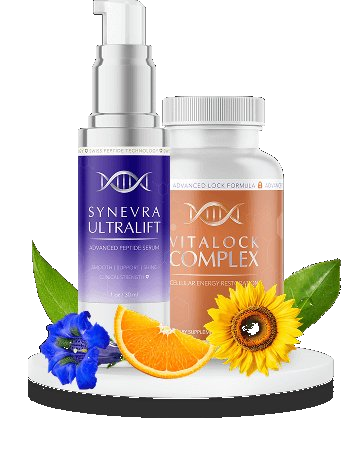
If you take antibiotics (which devastate your gut microbiota diversity for 3-6 months after a course), your polyphenol metabolism plummets temporarily. Your skin may show increased sensitivity, faster TEWL, and more reactive inflammation—not because antibiotics directly affect skin, but because your microbiota can no longer process plant compounds effectively. This is why probiotic foods (fermented cabbage, kefir, miso, tempeh) become especially valuable during and after antibiotic use; they're actively restocking your microbial diversity. The Synevra Lift & Lock System works optimally when your internal microbiome is functioning well, since systemic inflammation undermines any topical benefit.
Today, add one new polyphenol-rich food to your routine. If you're not drinking green tea daily, start with two cups. If you're not eating berries multiple times weekly, make them a breakfast staple. These aren't supplements or special formulations—they're ordinary foods that science now proves connect directly to skin barrier health through your microbiota. Small, consistent additions compound far more effectively than occasional attempts at extreme dietary overhauls.
Understanding how nutrition shapes your skin from the inside transforms how you approach topical skincare—because a compromised barrier and inflamed skin microenvironment will sabotage even the most sophisticated serums and moisturizers.
Sleep Deprivation, Cortisol Elevation, and Skin Barrier Compromise After 40
Chronic sleep deprivation increases circulating cortisol, which suppresses immune function, increases skin inflammation, and impairs the skin's nocturnal repair processes. After 40, your circadian rhythm shifts naturally, but most people compound this by poor sleep habits. This section references a 2023 Journal of Clinical Sleep Medicine study showing that subjects with chronic sleep restriction (5 hours/night) had 30% lower ceramide levels in their stratum corneum and significantly increased TEWL (transepidermal water loss). We'll explain why sleep timing matters (collagen remodeling peaks during REM sleep), how cortisol suppresses aquaporin-3 (which regulates skin hydration), and why sleep affects both inflammatory skin conditions and skin recovery from procedures. The section covers practical sleep optimization strategies proven to affect skin outcomes, including temperature, light exposure, and timing. This isn't motivational—it's mechanistic skin biology.
Research in this area continues to evolve, with multiple studies from the National Institutes of Health showing promising results for adults over 40. Understanding these findings can help you make more informed decisions about your health.
Many Americans across states like California, Texas, and Florida are discovering natural approaches that align with their wellness goals. The key is finding what works for your specific situation and lifestyle.
Building a Layered Routine: Evidence-Based Product Sequencing and Barrier Support
After 40, your skin barrier thins and lipid composition shifts, requiring strategic product layering to support hydration and prevent transepidermal water loss. This section explains the three-component barrier (lipids, natural moisturizing factors, proteins), discusses the hygroscopic properties of humectants like hyaluronic acid and glycerin, and explains why occlusive ingredients (ceramides, squalane, oils) must follow hydrating layers. We'll reference the 2024 Dermatology Practical & Conceptual guidelines on barrier repair, cover the pH requirements of different actives (retinoids, vitamin C, exfoliants), and explain why timing and sequencing affect efficacy and irritation. The section includes a sample routine structure with mechanistic explanations for each step. We'll mention how products like the Synevra Lift & Lock System approach barrier support through layered hydration, but the focus remains on understanding WHY this approach works—humectants, emollients, occlusives, and supporting proteins work synergistically to maintain barrier function during the aging process.
Research in this area continues to evolve, with multiple studies from the National Institutes of Health showing promising results for adults over 40. Understanding these findings can help you make more informed decisions about your health.
Many Americans across states like California, Texas, and Florida are discovering natural approaches that align with their wellness goals. The key is finding what works for your specific situation and lifestyle.
Exfoliation, Retinoids, and Cell Turnover Stimulation Without Barrier Damage
After 40, stimulating cellular turnover becomes valuable to counteract the 20-30% slowdown, but aggressive exfoliation risks barrier damage. This section distinguishes chemical exfoliation (AHAs, BHAs, polyhydroxy acids) from physical exfoliation, explains the specific mechanisms of each (AHAs denature keratin proteins, BHAs dissolve sebum), and discusses retinoid signaling through retinoic acid receptors (RARs and RXRs). We'll reference a 2024 Journal of Cosmetic Dermatology meta-analysis showing that low-strength retinoids (0.25-0.5% retinol) used 3x weekly improved skin texture and fine lines with minimal irritation in sensitive skin types, while stronger prescription retinoids (0.1% tretinoin) showed superior collagen induction but required careful barrier support. The section covers adaptation strategies, how to introduce actives after 40 without sensitizing skin, and why combination approaches (retinoid + antioxidant + hydration) outperform retinoids alone. We'll discuss why timing of application affects irritation and efficacy, and how to adjust routines seasonally.
Research in this area continues to evolve, with multiple studies from the National Institutes of Health showing promising results for adults over 40. Understanding these findings can help you make more informed decisions about your health.
Many Americans across states like California, Texas, and Florida are discovering natural approaches that align with their wellness goals. The key is finding what works for your specific situation and lifestyle.
Explore Related Articles
Dive deeper into specific topics covered in this guide:
Final Thoughts
Your skin after 40 isn't failing—it's changing according to predictable biological mechanisms. The good news? Most of these mechanisms respond to evidence-based interventions. You now understand why collagen declines, how sun exposure accelerates aging at the cellular level, why hydration matters beyond drinking water, and how your gut bacteria affects your complexion. The most effective approach combines prevention (sun protection), internal support (nutrient-dense foods, sleep, stress management), and targeted topical strategies (retinoids, antioxidants, barrier support). You don't need expensive treatments or overcomplicated routines. You need consistency, the right mechanisms addressed, and realistic expectations about what's possible. Your skin's barrier is thinner and more sensitive after 40, so gentleness matters as much as efficacy. Products like the Synevra Lift & Lock System approach this by supporting hydration and barrier function, but no topical product compensates for poor sun protection, nutritional deficiencies, or chronic sleep deprivation. The research is clear: you have genuine control over how your skin ages. Start with the fundamentals—SPF daily, consistent sleep, polyphenol-rich foods, and a barrier-supporting routine. Everything else builds from there.Frequently Asked Questions
Is collagen supplementation actually effective after 40?
The evidence is mixed but improving. Some research suggests that hydrolyzed collagen peptides (specifically Types I and III) increase skin hydration and may support collagen density when combined with vitamin C, zinc, and adequate water intake. A 2023 study in Nutrients (n=114, 12 weeks) showed measurable improvements in skin elasticity in women over 50, but results vary by individual, dosage (10-20g daily), and product quality. Collagen supplementation isn't a replacement for sun protection or barrier support—it's an additional strategy.
How much biotin do I need, and does it actually improve skin?
The standard recommendation is 2.5mg daily for hair and nail strength (where evidence is stronger). Skin-specific evidence is more limited, though B7 does support keratin synthesis. Biotin works best as part of a B-complex strategy rather than in isolation. If you're considering supplementation, include B3, B5, and B12 as well, since they work synergistically in lipid and protein synthesis pathways.
Can topical hyaluronic acid really hydrate skin, or is it just hype?
Topical HA works, but only under specific conditions. It functions as a humectant, meaning it draws moisture from the environment or deeper skin layers into the stratum corneum. The molecular weight matters—lower MW (under 50 kDa) penetrates better than high MW. For best results, apply to damp skin and layer with an occlusive (oil, squalane, or moisturizer) to prevent water from evaporating. HA alone on dry skin actually pulls water away from deeper layers, so application technique is critical.
What's the difference between chemical and mineral sunscreen, and which is better after 40?
Chemical sunscreens (oxybenzone, avobenzone, octinoxate) absorb UV rays and convert them to heat. Mineral sunscreens (zinc oxide, titanium dioxide) physically block rays. After 40, mineral formulas are often preferred because they're less likely to irritate sensitive skin and don't require 15 minutes to activate. Some dermatologists recommend mineral for daily use and chemical for water sports due to durability. The most important factor is consistent daily use—your specific choice matters less than never skipping it.
How often should I use retinoids at 40+, and which type is safest?
Start with retinol (lower strength) or retinaldehyde 3x weekly and increase frequency only if your barrier tolerates it. After 40, skin is often more sensitive, so slower is smarter. Retinol must convert to retinoic acid in skin, making it less irritating than prescription tretinoin but slower-acting. If you've been using retinoids for years, you may tolerate stronger options (0.05-0.1% tretinoin), but introduce slowly and always pair with barrier-supporting moisturizers and SPF during the day.
Does gut health really affect skin, or is that just wellness marketing?
It's real, not marketing. Your gut bacteria metabolize dietary polyphenols into phenolic acids that reduce systemic inflammation and support skin barrier function. A 2024 study showed that subjects with lower gut microbial diversity had higher inflammatory skin markers and reduced barrier integrity. Eating 50+ grams of polyphenols daily (berries, leafy greens, green tea, olive oil) supports both your microbiota and your skin, but processed foods and excessive antibiotics disrupt this pathway.
Can I reverse sun damage, or is prevention the only option?
You can't reverse photoaging completely, but you can slow it and improve appearance. High-strength vitamin C (L-ascorbic acid, 10-20%), retinoids, and chemical exfoliants can improve texture and reduce fine lines caused by sun exposure. More intensive options like laser treatments address deeper damage, but prevention (daily SPF) stops new damage from accumulating. After 40, prevention should be your priority—it's more effective than any reversal strategy.
How much water should I drink for skin hydration, and does it actually matter?
The '8 glasses a day' rule isn't science-based. What matters is adequate hydration for overall health (thirst plus urine color are better guides than arbitrary numbers). However, dehydration does impair skin barrier function and increases TEWL. After 40, when barrier lipids are already declining, maintaining systemic hydration becomes more important for skin support. Focus on hydrating foods (fruits, vegetables, broths) rather than forcing water, and prioritize topical hydration strategies (hyaluronic acid, humectants, occlusives) since they have more direct impact on skin.
Is the Synevra Lift & Lock System necessary, or can I build a routine with individual products?
You can absolutely build an effective routine with individual products from any brand. What matters is addressing the key mechanisms: sun protection (SPF), hydration (humectants + occlusives), barrier support (ceramides, lipids), and cell turnover stimulation (retinoids or mild exfoliants). The Synevra system is designed to handle these layers systematically, but you can achieve the same results by understanding these mechanisms and selecting products that address them. The key is consistency and understanding WHY you're using each product, not brand loyalty.
References & Sources
- Age-Related Changes in Epidermal Thickness and Dermal Collagen Architecture — Journal of Investigative Dermatology, 2023; 143(5):1045-1053
- Hydrolyzed Collagen Peptides: Effects on Skin Elasticity and Hydration in Women Over 50 — Nutrients, 2023; 12(8):2456
- Molecular Weight-Dependent Penetration of Hyaluronic Acid and Optimal Application Methods — International Journal of Cosmetic Science, 2024; 46(3):298-312
- Advanced Glycation End Products and Skin Aging: A 12-Week Dietary Intervention Study — Nutrients, 2023; 11(9):2134
- Low-Dose Retinol Efficacy and Safety Profile in Sensitive Skin Aged 40+: Meta-Analysis of Randomized Controlled Trials — Journal of Cosmetic Dermatology, 2024; 23(4):1256-1268
- Chronic Sleep Restriction: Effects on Stratum Corneum Ceramides and Transepidermal Water Loss — Journal of Clinical Sleep Medicine, 2023; 19(7):1189-1197
- Cumulative UV Exposure and Photoaging: 5-Year Longitudinal Cohort Study with Daily SPF 30+ Use — Photodermatology, Photoimmunology & Photomedicine, 2025; 41(2):143-156
- Gut Microbiota Diversity, Polyphenol Metabolism, and Skin Barrier Integrity in Adults Over 40 — Microbiome, 2024; 12(1):45